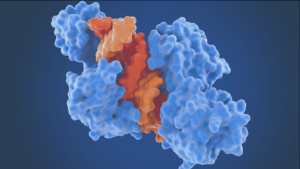



The Biomedical Advanced Research and Development Authority (BARDA), through the Rapid Response Partnership Vehicle (RRPV), has released a new Request for Project Proposals (RPP) to stand up U.S.-based rapid antibody and protein binder production platforms that can go from pathogen gene sequence to immunoassay-ready reagents within weeks instead of months. This is a targeted opportunity to position platform technologies that help close the critical gap between pathogen identification and the availability of immunoassay-ready reagents.
Program and Solicitation Overview
RRPV 26-10-RAPID “Rapid Antibody Production for Immunoassay Diagnostics” is designed to accelerate development and transition of medical countermeasure-related technologies for pandemic influenza, emerging infectious diseases, and other biological threats. With this RPP, the Government seeks to establish a US-based rapid antibody production capability that can easily adapt to any emerging infectious disease or biological threat, significantly compressing timelines from pathogen sequence release to immunoassay-ready reagents. This effort aims to combine recent advances in technologies like AI-enabled and de novo binder design, in silico epitope modeling and candidate optimization, next-generation synthetic and recombinant libraries, advanced display and selection systems, and high-throughput automated screening and characterization platforms. The solicitation emphasizes the need for speed, end-to-end integration, and transition readiness for diagnostic manufacturers.
Key capability expectations include:
- Advanced binder design, including AI-enabled and computational design, de novo binder generation, and in silico epitope modeling and optimization.
- Discovery and selection systems, such as next-generation synthetic or recombinant libraries, advanced display and selection technologies, and high-throughput automated screening and characterization.
- Integrated workflows with documented platform architecture, automation, and iterative design-build-test cycles that show actual timeline compression versus traditional methods.
- Assay-ready outputs compatible with ELISA, lateral flow, and chemiluminescent formats, along with data packages suitable for transfer to diagnostic developers.
- Performance validation using metrics such as affinity, binding kinetics, specificity, cross-reactivity, stability, yield, limit of detection, and signal-to-noise ratio.
Several topics are explicitly out of scope: complete diagnostic devices or commercial test kits, clinical validation or regulatory submissions, vaccine or therapeutic antibody programs, and nucleic-acid-based binders such as aptamers. BARDA also prohibits gain-of-function research under this RPP, including activities that enhance pathogenicity, transmissibility, or immune evasion of agents or toxins.
The solicitation will employ a competitive, multi-stage process:
- Stage 1 – Abstract: Offerors submit a 5-page technical abstract and a 1-page quad chart using mandatory templates. Offerors invited to proceed to Stage 2 will be given feedback, particularly focusing on needed clarifications to be addressed in the Stage 2 submission.
- Stage 2 – Full Technical and Cost Proposal (by invitation only): Invited Offerors will submit full technical and cost proposals, including a detailed development plan, cost narrative, and Statement of Work.
The technical program itself has a base period split into two phases:
- Phase 1 – Concept Demonstration: Advanced R&D, process development, and integrated platform demonstration within the target two-year period, culminating in a capstone pressure test against three USG-selected BSL-2 targets in a standard assay format.
- Phase 2 – Sprint Test: A full-speed sprint against a USG-selected BSL-3 target with third-party verification. The platform will be evaluated on binder performance and delivery time.
Eligibility is limited to U.S.-based offerors and facilities that are RRPV consortium members at the time of abstract submission, although prospective offerors may join the consortium prior to submitting.
Key Dates and Submission Timeline
Offerors should align capture and teaming timelines to the following milestones:
- RPP Released: April 15, 2026.
- Proposers’ Conference: April 27, 2026 (on Zoom).
- Questions Due: April 30, 2026, 12:00 pm ET.
- Answers Released: Approximately May 4, 2026.
- Stage 1 Abstracts and Quad Chart Due: May 13, 2026, 1:00 pm ET, via the BARDA Digital Resource (BDR) portal at rrpv.hhs.gov.
Anticipated Funding
BARDA anticipates approximately $15–20 million in total U.S. Government funding for this RPP, with an expectation of roughly 5–6 project awards, although final allocations remain subject to the availability and realignment of federal funds. The estimated period of performance is up to two years from award, with an expected start in the fourth quarter of calendar year 2026.
Closing Perspective
This RRPV 26-10-RAPID RPP reflects BARDA’s continued push toward modular, rapidly reconfigurable platforms that can be redirected at the next biological threat as soon as its sequence is available. For contractors, the strongest responses will show not just a promising component technology, but a cohesive, scalable, and transferable platform backed by credible feasibility data and a clear transition path into diagnostic manufacturing.
EverGlade helps companies find, win, and manage federal funding opportunities across complex innovation programs. If your team is evaluating whether its antibody discovery, AI-design, or screening platform is responsive to this BARDA opportunity, EverGlade can help shape your capture strategy, strengthen your abstract narrative, and align your submission with the agency’s technical and acquisition priorities. Review additional agency resources at BARDA and RRPV.