

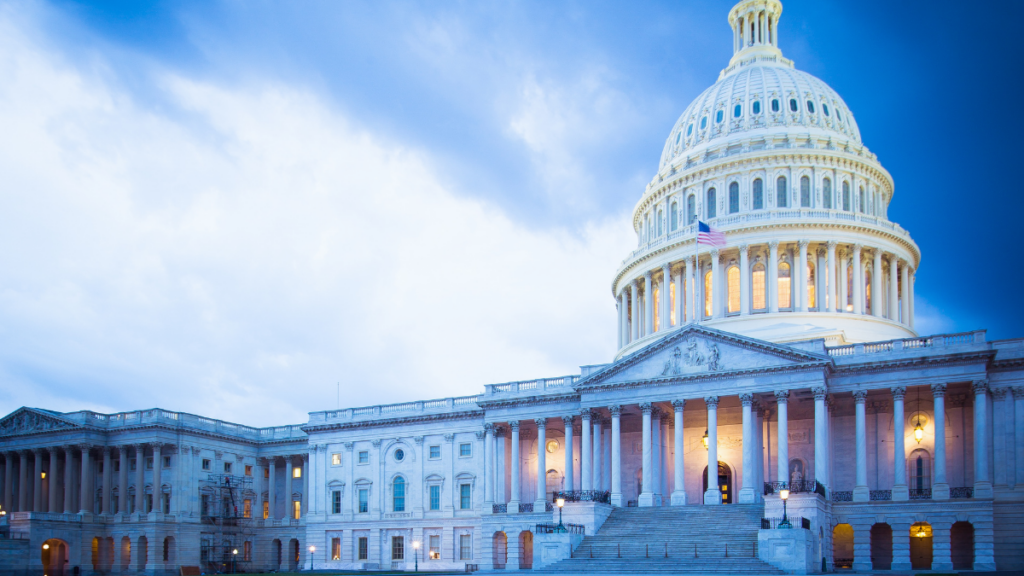
Yesterday’s U.S. Senate Committee on Health, Education, Labor & Pensions (HELP) hearing put two key public health posts under the microscope: Sean Kaufman for Assistant Secretary for Preparedness and Response (ASPR) at the U.S. Department of Health and Human Services (HHS), and Dr. Erica Schwartz for Director of the Centers for Disease Control and Prevention (CDC). Senators on both sides focused less on party lines and more on a familiar question: how will the next leaders defend scientific evidence, support states and communities, and set clear priorities for federal investment?
The answers point toward a more focused CDC, a more locally anchored ASPR, and an environment where funding follows threat-agnostic platforms, respiratory pathogens, and antimicrobial platforms – paired with speed and “radical transparency” on evidence and risk.
Vaccines, Research, and Rebuilding Trust
Senators used the hearing to pin down where nominees stand on vaccines, mRNA research, and scientific integrity. Both Dr. Schwartz and Kaufman said that mRNA vaccines that meet Food and Drug Administration (FDA) standards can be safe and effective, and they are in support of continued mRNA R&D for future respiratory and infectious diseases.
Dr. Schwartz stressed that she would “never betray the science” and remain “nation centered” within the law and evidence, if she faced pressure to do otherwise. Kaufman pointed to decades of work across HIV, Ebola and other infectious diseases and committed to fight for data-driven decisions inside ASPR, including through the Biomedical Advanced Research and Development Authority (BARDA) and the medical countermeasures portfolio.
Taken together, they sketched a version of federal public health that is more focused, more local, and more transparent, with CDC refocused on infectious disease, ASPR doubling down on preparedness and local partnerships, and both leaders framing their priorities around integrity, evidence, and a new standard of “radical transparency.”
The Funding and Grants Environment
Underneath the mission talk, Senators focused on how future CDC and ASPR leaders will steward research, grants, and medical countermeasure funding. They asked Dr. Schwartz how she would handle review of CDC science and grants in a way that protects scientific integrity, and pushed her to commit to “radical transparency,” to flag interference through the proper channels, and to sustain core programs that support long-term public health.
Kaufman was asked about past decisions on specific programs, including mRNA, and how he would set strategic priorities across ASPR and BARDA’s advanced countermeasure portfolios. Both nominees emphasized following appropriations law, maintaining essential capabilities, and working with state, tribal, and local partners so that funding and expectations stay aligned.
The focus is on a sustainable grant and contracting environment where strong scientific rationale, clear public‑health benefit, and transparent communication are expected just as much as technical novelty.
PHEMCE’s Five-Year Roadmap
The hearing landed shortly after ASPR released the 2025-2029 Public Health Emergency Medical Countermeasures Enterprise (PHEMCE) Multiyear Budget (MYB), which lays out a five-year funding picture for NIH, ASPR/BARDA, the Strategic National Stockpile (SNS), CDC, and FDA. It estimates $66.9 billion in total need for research, development, regulatory work, procurement, and stockpiling of medical countermeasures over FY 2025-2029.
In short, the plan concentrates about two-thirds of that need in multi-threat / threat agnostic platforms and emerging infectious diseases, with pandemic influenza and broad-spectrum antimicrobials for antimicrobial resistance (AMR) as the largest individual portfolios. It also highlights pressure on the SNS as more BARDA-supported products transition into the stockpile while expiring assets must be replenished.
The hearing and the MYB point us in similar directions: “radical transparency” and local readiness within a constrained budget, where companies will need to align their technology to the specific portfolios these agencies have signaled as the highest priority.
Where This Leaves Industry
The hearing did not settle every question, but it did raise the bar for both evidence and communication. If these nominees are confirmed, companies working on mRNA platforms, medical countermeasures, and public health data will be operating in an environment where preparedness, pandemic influenza, and AMR are all under the spotlight.
There is an upside for teams that can show how their platforms support multi-threat preparedness, emerging respiratory diseases, or AMR priorities, while fitting into state-driven delivery systems and the SNS’s lifecycle constraints.
EverGlade is a national advisory firm helping innovators navigate the federal funding ecosystem. We support companies across the funding lifecycle, from early-stage strategy through proposal development, negotiations, and post-award execution, ensuring you win the award and deliver the program.
For additional information, schedule a conversation with our team.