


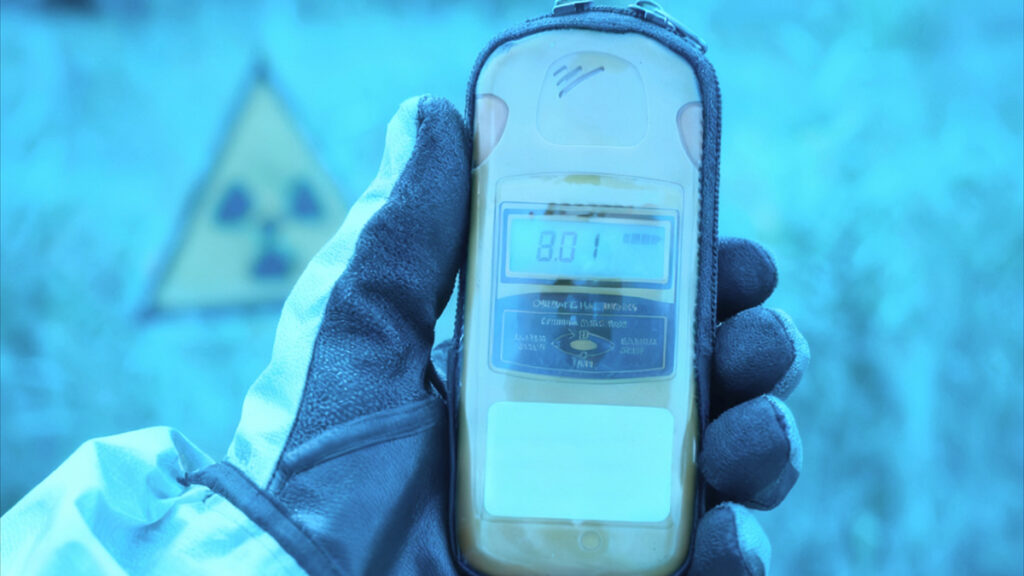
The Joint Program Executive Office for Chemical, Biological, Radiological, and Nuclear Defense (JPEO-CBRND) has released a new Request for Information (RFI) focused on advancing wearable Chem-Bio-Radiological-Nuclear (CBRN) monitoring technologies. As the Department of Defense (DoD) continues strengthening preparedness for complex, multi-domain threats, this RFI seeks industry input on next-generation wearable sensors capable of supporting warfighter safety and decision-making. JPEO-CBRND’s overarching goal is to better understand existing capabilities and emerging concepts that could enable continuous, real-time physiological and environmental monitoring in operational environments.
RFI Overview
This RFI is issued under the Wearable All-Hazard Remote-monitoring Program (WARP), an effort designed to identify technologies that can help the military detect CBRN threats earlier, respond more effectively, and protect personnel at the edge. WARP aims to integrate biochemical, physiological, and environmental data into a single wearable or attachable device with exceptionally low Size, Weight, and Power (SWaP) requirements. Respondents are encouraged to provide white papers, technical insights, and feasibility concepts describing how their innovations could contribute to a comprehensive threat-monitoring ecosystem.
At a high level, JPEO-CBRND is searching for systems capable of concurrent, wide-ranging physiological monitoring (including cardiovascular, respiratory, metabolic, cognitive, and musculoskeletal indicators) while also layering in hazard detection and environmental sensing. The envisioned capability would support real-time data transmission, on-device analytics, operational integration, and long-term sustainment strategies suitable for military use.
Specific Goals and Requirements
The RFI outlines a detailed set of target monitoring capabilities across four major domains: physiological data, hazard exposure indication, cognitive performance, and environmental conditions.
Physiological Monitoring:
Wearable solutions should continuously monitor and display indicators such as blood pressure, cardiac output, oxygen saturation, ventilation metrics, metabolic consumption, blood pH, cerebral perfusion, core temperature, hydration, fatigue indicators, force production, muscular activity, hematological markers, and more. The breadth of data requested reflects the DoD’s desire to detect early warning signs of illness, stress, or degradation that may relate to CBRN exposure.
Hazard Exposure Indicators:
Devices should detect biomarkers related to nerve agents, opioids, metabolic disruption, and other chemical or biological threats, such as acetylcholinesterase, butyrylcholinesterase, exposure-related lactate changes, and additional physiological signatures associated with hazardous environments.
Advanced Data Analytics:
Systems should implement algorithms capable of recognizing deviations from baseline conditions, predicting performance degradation, and identifying possible CBRN exposure based on correlated physiological changes.
Cognitive Monitoring:
The program seeks solutions that can rapidly establish cognitive baselines (such as memory, vigilance, and reaction time) and continuously assess executive function, attention, learning, perception, alertness, and visuospatial orientation using non-invasive neural and behavioral metrics.
Environmental Monitoring:
Respondents should describe capabilities to measure water temperature, wind speed, air gas concentrations, visibility, and other environmental conditions, adding context to the physiological and hazard-detection data streams.
Overall, the government is seeking integrated solutions that combine sensor technology, data fusion, analytics, and operational utility in austere and dynamic military environments.
Submission Details and Key Dates
JPEO-CBRND directs respondents to submit all materials through the Joint Enterprise Technology Tool (JETT). Key submission notes include:
- Responses due: December 19, 2025
- Respondents must upload capability information via the JETT portal.
Navigate to the JETT website and select “Respond to an RFI” to begin the submission process. - Responses should include white papers, concept briefs, technical descriptions, integration paths, sustainment strategies, timelines, risk factors, and cost drivers.
Organizations should monitor SAM.gov and JPEO-CBRND communication channels for any forthcoming solicitations.
Funding and Award Expectations
As an RFI, this notice does not specify funding amounts, number of anticipated awards, or period of performance. Its purpose is solely to gather market intelligence to inform potential future acquisition or program development activities. Future funding opportunities may emerge as WARP requirements mature, but no financial commitments or procurement pathways have been announced at this time.
Strengthening Warfighter Health Through Advanced Wearable Monitoring
Wearable biosensing technologies that can detect CBRN threats in real time have the potential to significantly enhance force protection and human health. By integrating physiological, cognitive, and environmental data, the DoD can better predict exposure risks, detect emerging symptoms, and intervene before health declines or mission performance is compromised. The innovations sought through this RFI could ultimately support earlier diagnosis, improved medical decision-making, and enhanced survivability in hazardous theater conditions.
If your company has considered applying for federal funding, your federal funding journey starts here. EverGlade Consulting is a national firm that helps organizations win and manage federal awards. We offer services ranging from Pursuit, Proposal and Post-Award support to comply with federal regulations at agencies including BARDA, ARPA-H, NIH, DTRA, JPEO, DOD, DIU, DOE, and DARPA.